
.webp)

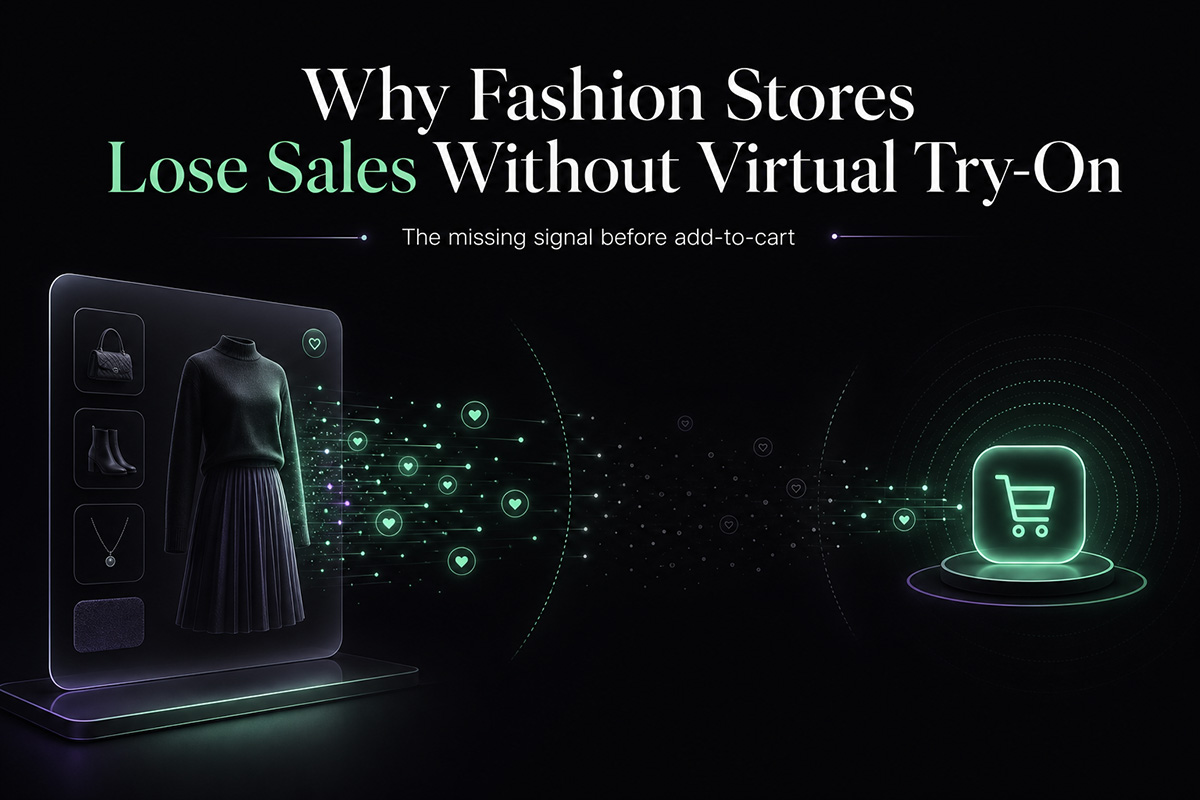
The hardest part is not getting shoppers to look. It is getting them to act.
Most fashion stores already have product photos, size guides, model shots, product descriptions, and sometimes even customer reviews. Shoppers can browse. They can compare. They can imagine.
But many still stop before adding to cart.
The problem is not always price. It is often uncertainty. "Will this look right on me?" "Is this color actually my style?" "Does this dress feel too formal?" "Will this jacket work with my body shape?"
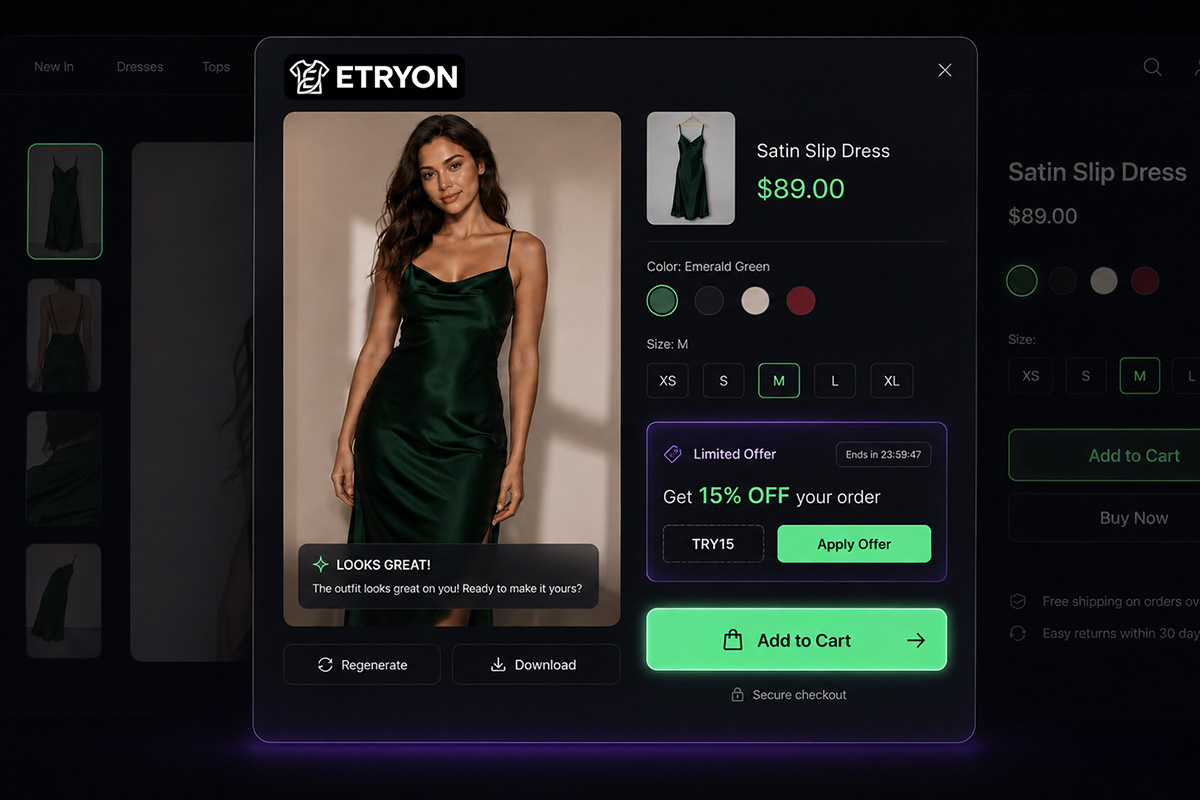
ETRYON Virtual Try-On is built for that moment. It helps shoppers preview a clothing product on their own photo, then continue from the try-on result toward add-to-cart without leaving the product-page flow.
Add-to-cart does not happen because a shopper sees more information. It happens when the shopper feels ready to take the next step.
Why shoppers hesitate before adding fashion products to cart
Fashion purchases are visual and personal. A shopper is not only asking whether the product is good. She is asking whether the product fits her taste, her body, her occasion, and her confidence.
That is why fashion product pages often have a wider confidence gap than many other ecommerce categories.
A phone case either fits the phone or it does not. A kitchen tool either solves the problem or it does not. Clothing is different. The product has to feel right on the person.
Common add-to-cart blockers include:
- The shopper cannot imagine the item on herself.
- The product image looks good, but feels distant from real use.
- Color or style variants are hard to judge from thumbnails alone.
- The shopper likes the product but is not confident enough to commit.
- The next step after browsing does not feel compelling.
AI virtual try-on helps address this hesitation by giving the shopper a more personal visual reference before the cart decision.
Where ETRYON is different: the try-on result is not the end
Many virtual try-on tools focus on one thing: generate an image.
That is useful, but it is not enough for ecommerce.
For a fashion store, the more important question is what happens after the shopper sees the result. Does she return to the product page? Does she remember which variant she selected? Does she know what to do next? Is there a clear path to cart?
ETRYON is designed around this post-result moment.
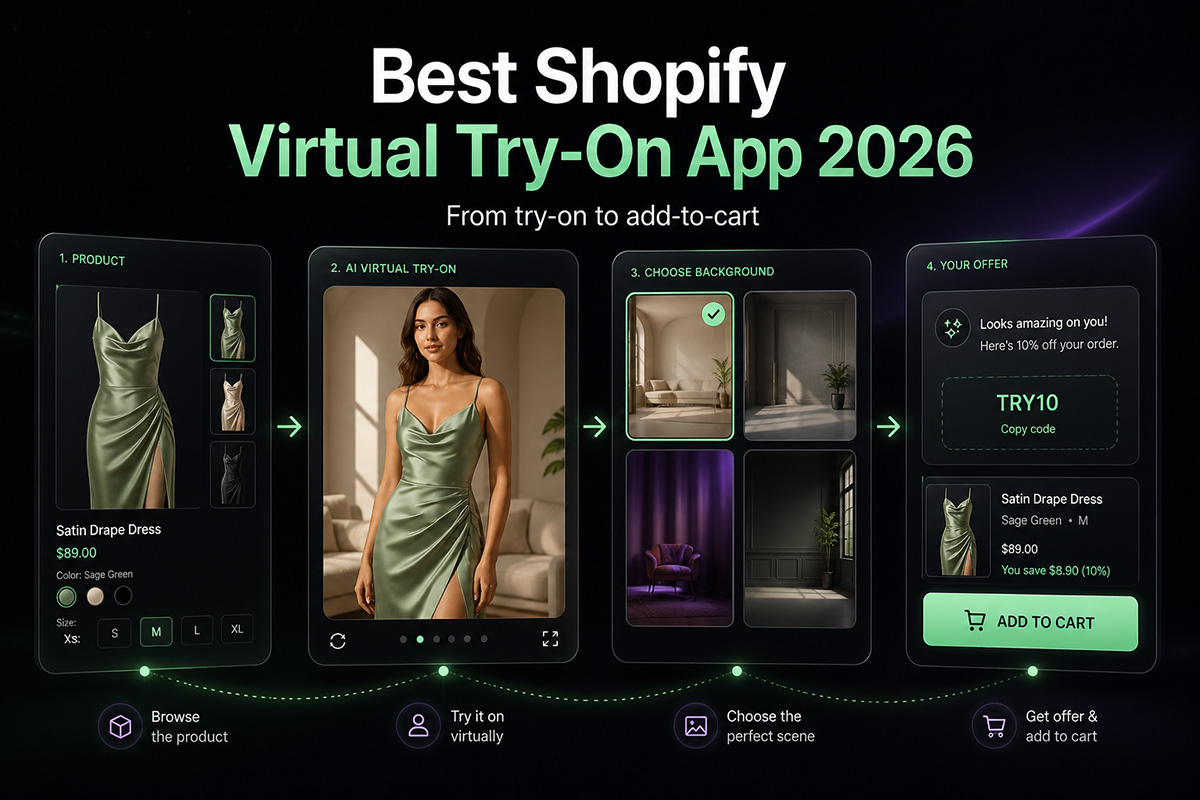
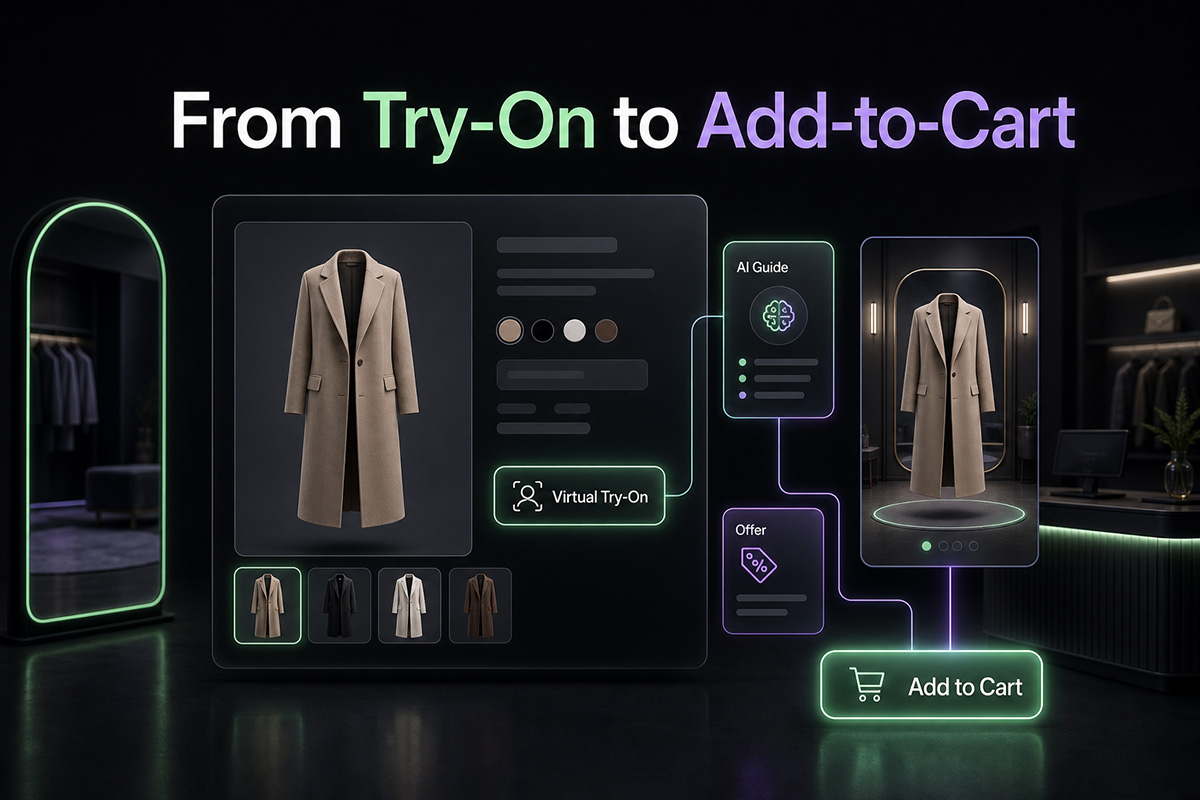
Instead of treating AI try-on as a separate visual demo, ETRYON connects it to the product-page buying flow. Depending on the store setup, shoppers can move from try-on result to product details, supported variant options, post-try-on offers, and add-to-cart actions inside the same experience.
How ETRYON supports add-to-cart momentum
1. It places try-on where buying decisions already happen
ETRYON works directly on Shopify and WooCommerce product pages. That matters because shoppers are already evaluating a specific product there.
If virtual try-on lives on a separate demo page, it may look impressive, but it can also interrupt the buying path. The shopper has to leave, try something, then mentally reconnect the result with the product page.
ETRYON keeps the experience closer to the purchase decision.
For Shopify merchants, ETRYON is installed through the Shopify app flow and added through a product-page app block. For WooCommerce merchants, ETRYON runs through the WordPress plugin and connects through an API key from app.etryon.ai.
You can learn more from the official listings:
2. It uses the selected product or variant image when available
Fashion stores often depend on variants. A black dress, a red dress, and a floral version of the same dress may create completely different buying decisions.
ETRYON can use the selected product or variant image when available, helping the try-on preview better match what the shopper is actually considering.
This is important because add-to-cart confidence is usually tied to the specific choice, not just the product family.
3. It keeps the result connected to cart actions
A try-on result should not become a dead end.
ETRYON is designed so shoppers can continue after the preview. The result experience can include product context, supported options, and add-to-cart actions, reducing the gap between "I like this" and "I will add it to cart."
This does not mean every shopper will buy. No honest tool can promise that. But it does mean the shopper has a clearer next step at the moment when purchase intent may be stronger.
4. It can show a timely post-try-on offer
Discounts often fail because they appear too early.
A popup shown before the shopper understands the product can feel like noise. A post-try-on offer is different. It appears after the shopper has already interacted with the product and seen a more personal preview.
ETRYON supports post-try-on offers when configured, giving merchants a way to present a discount or offer at a more relevant moment.
The timing is the point. The offer is not just a generic promotion. It becomes a next step after visual engagement.
From product view to add-to-cart: what changes?
Here is the difference between a basic product-page experience and an ETRYON-powered flow:
MomentBasic Product PageWith ETRYON Virtual Try-OnProduct discoveryShopper views photos and descriptions.Shopper can open try-on directly from the product page.Visual confidenceShopper imagines how the item may look.Shopper previews the clothing product on her own photo.Variant decisionShopper compares thumbnails or swatches.Selected product or variant imagery can be used when available.Next actionShopper must decide whether to add to cart.Shopper can continue from the try-on result toward cart actions.Conversion supportStore may use general discounts or popups.Store can show configured post-try-on offers after engagement.
What merchants can track
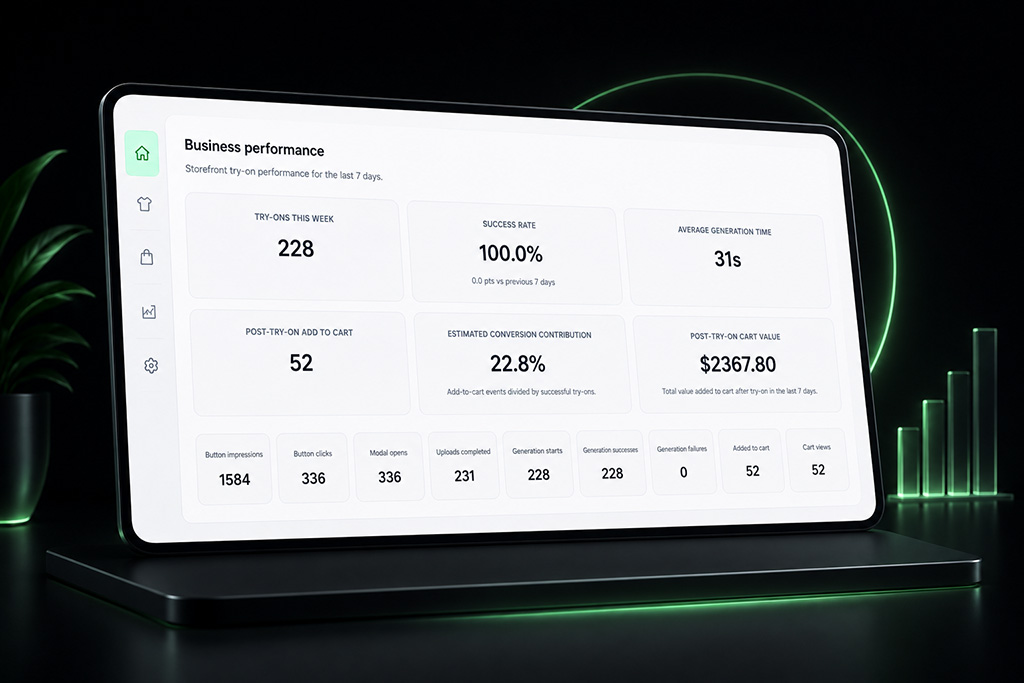
Add-to-cart improvement should not be guessed blindly. Merchants need to understand how shoppers interact with try-on.
ETRYON supports storefront activity tracking depending on platform and setup, including events such as try-on interactions, generation success, and post-try-on cart actions.
This matters because try-on is not only a visual feature. It is part of the product-page funnel.
Useful questions include:
- How many shoppers click the try-on button?
- How many complete an upload?
- How many try-on generations succeed?
- How often do shoppers add to cart after seeing a result?
- Which products generate the strongest try-on engagement?
Those answers help merchants decide where to place try-on, which products to enable, and whether post-try-on offers are helping.
What ETRYON does not claim
It is important to be clear: AI virtual try-on is not magic.
ETRYON does not replace accurate sizing, strong product photography, clear return policies, or a well-designed product page. It also does not guarantee higher add-to-cart rates for every store.
What it does offer is more practical: a way to reduce visual hesitation and connect that moment of confidence to the next shopping action.
For fashion ecommerce, that is where the value lives.
Final thought
If your shoppers already like your products but hesitate before adding them to cart, the problem may not be demand. It may be confidence.
ETRYON Virtual Try-On helps Shopify and WooCommerce fashion stores turn product-page interest into a more guided buying flow: preview the clothing product, review the result, see the next step, and move toward add-to-cart.
Start with ETRYON or view the live demo to see how AI virtual try-on works inside a real product-page experience.


.avif)

