.webp)

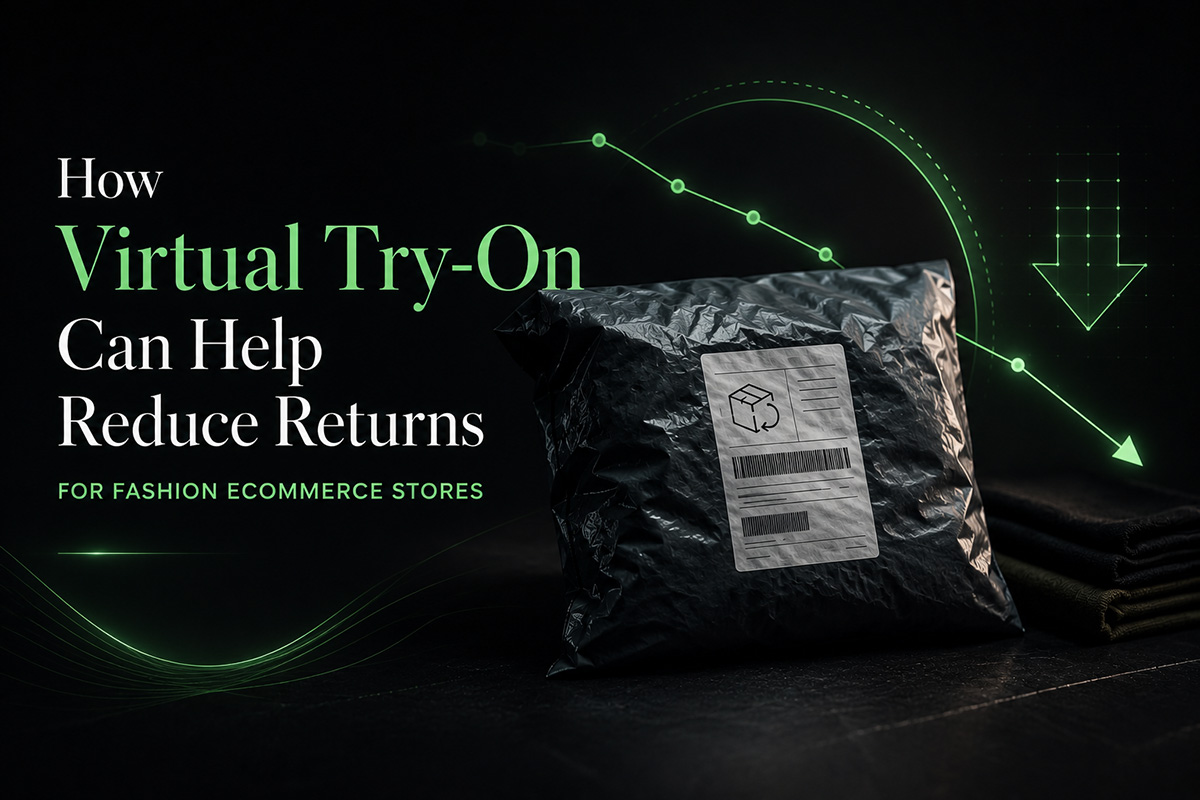
Returns are not always caused by bad products.
In fashion ecommerce, many returns happen because the product a shopper imagined is not the product they felt they received.
The color looked different. The silhouette felt unexpected. The dress looked elegant on the model but not like the shopper pictured it on themselves. The selected variant was not as clear as it seemed on the product page.
That gap between expectation and reality is where virtual try-on can help. For Shopify and WooCommerce fashion stores, ETRYON brings that visual confidence directly into the product page, before the shopper places an order.
Virtual try-on does not eliminate returns. It helps reduce the avoidable returns caused by unclear visual expectations before purchase.
Returns Often Start Before Checkout
A return usually shows up after delivery, but the cause often begins on the product page.
When a shopper buys clothing online, they are making a visual guess. Product photos, size charts, reviews, and descriptions all help, but they do not always answer the most personal question:
Can I see this working for me?
If the shopper fills that gap with imagination, the order may still happen. But the expectation may be fragile.
When the product arrives and does not match that imagined version, the return becomes more likely.
What Types of Returns Can Virtual Try-On Help With?
It is important to be precise here.
Virtual try-on is not a size guarantee. It does not replace fit notes, measurements, product descriptions, or customer support.
But it can help with return reasons connected to visual uncertainty, such as:
- the shopper misunderstood the style
- the silhouette felt different than expected
- the color or variant was unclear
- the product looked less suitable for the shopper's personal style
- the model photo created a visual expectation that did not translate well
- the shopper bought "just to see" and returned after trying it at home
These are the returns that begin with uncertainty, not product defects.
1. Virtual Try-On Reduces the Imagination Gap
Product photos show the garment. ETRYON adds a product-page try-on layer so shoppers can evaluate the garment in a more personal context without leaving the buying flow.
If you want a broader explanation of the concept, start with What Is AI Virtual Try-On?. The return-reduction angle is more specific: it is about reducing avoidable mismatch before the order happens.
That does not mean every result needs to be perfect. The value is that the shopper has one more visual reference before committing to the order.
For apparel, that extra reference can matter. A shopper may already like the product, but still feel unsure about shape, length, or overall style. Seeing a try-on preview can make the decision feel less abstract.
2. Virtual Try-On Helps Clarify Product Variants
Fashion returns often happen when the selected product is not as clear as the shopper thought.
This is especially true for products with multiple colors, patterns, or styles.
If the product page relies on a default image while the shopper selects another variant, the visual expectation can drift.
ETRYON can use the selected product or variant image when available, helping the try-on preview stay closer to the item the shopper is actually considering.
That connection matters because customers do not return the idea of a product. They return the specific item they bought.
3. Virtual Try-On Can Reduce "Buy to Test" Behavior
Some shoppers use the return policy as a fitting room.
They buy several items, try them at home, keep one, and return the rest. This behavior is hard to remove completely, especially in fashion.
But better product-page confidence can reduce some of the unnecessary testing.
If shoppers can preview an item before buying, they may avoid ordering products that clearly do not match their style or expectations. That can reduce low-intent orders that were likely to come back anyway.
Practical pointVirtual try-on is strongest when it helps shoppers rule out poor matches before purchase, not only when it pushes them to buy.
4. Virtual Try-On Supports Better Expectations, Not Bigger Promises
One mistake fashion stores make is treating every conversion tool as a persuasion tool.
Virtual try-on works better when it is treated as an expectation-setting tool.
The goal is not to convince every shopper that every item is right for them. The goal is to help the shopper make a better decision earlier.
That may mean more confident purchases. It may also mean a shopper chooses a different color, a different product, or decides not to buy that item.
For return reduction, that is not a failure. That is the product page doing its job.
5. Virtual Try-On Works Best With the Right Product Photos
Return reduction depends on the quality of the information shoppers receive before buying.
For AI virtual try-on, that means product images matter.
Clear front-facing images, properly assigned variant photos, clean backgrounds, and complete garment views make the try-on experience more useful.
If the input image is confusing, the shopper's expectation may still be confusing.
Before using virtual try-on as part of a return-reduction strategy, review your product images and make sure the most important items are ready for try-on. For a practical checklist, read What Makes a Good Product Photo for AI Virtual Try-On?.
Where ETRYON Fits Into Return Reduction
ETRYON is designed for Shopify and WooCommerce fashion stores that want virtual try-on inside the product-page shopping flow, not as a detached image generator.
That means the try-on experience can stay connected to:
- the selected product image
- variant choices
- product-page actions
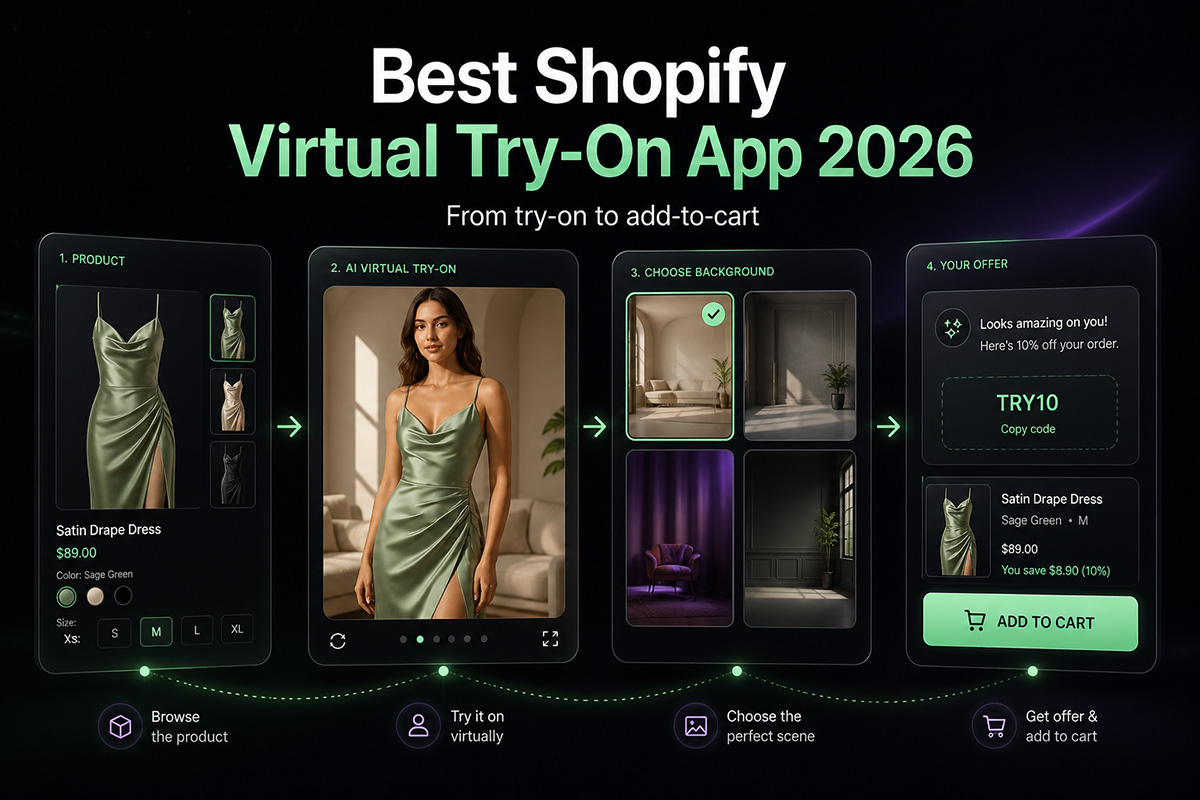
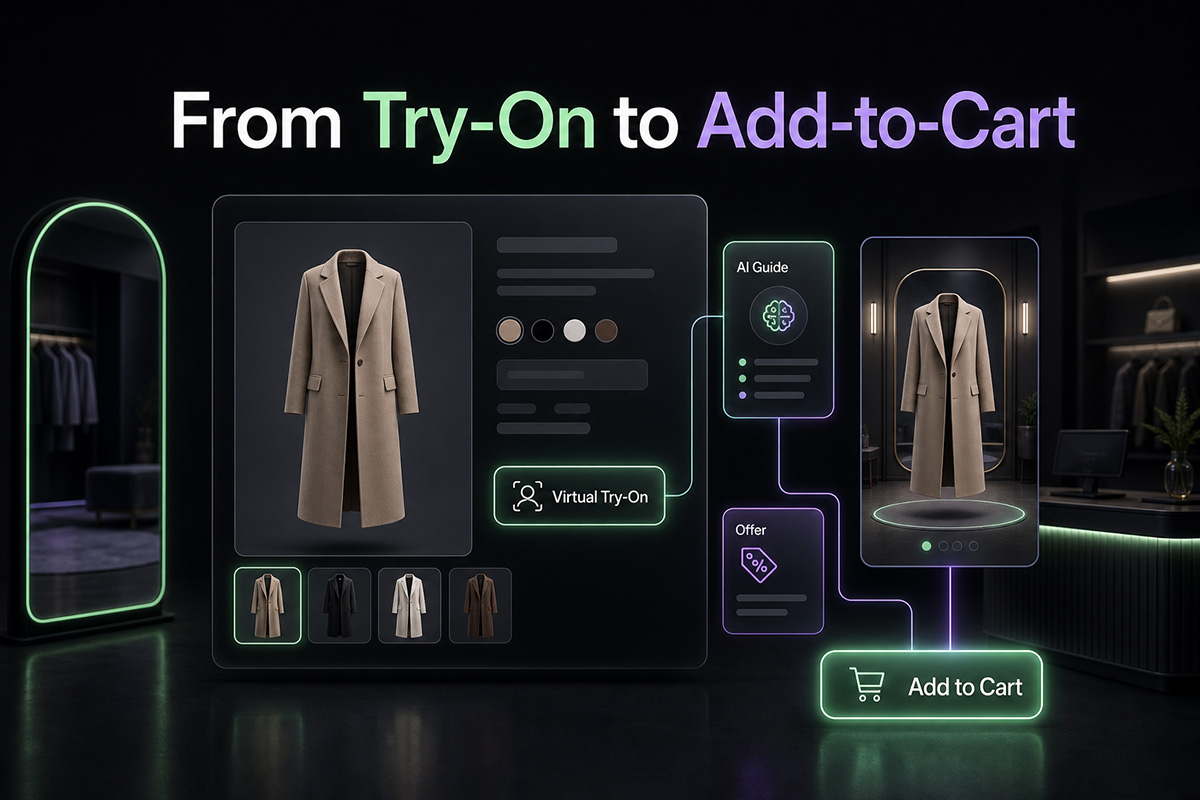
- add-to-cart flow
- storefront performance tracking
This matters because return reduction is not only about the generated image. It is about whether the product page gives shoppers enough visual confidence before they order.
ETRYON helps add that visual layer without sending shoppers away from the product page.
Stores can explore ETRYON through the official Shopify App Store listing or the WordPress plugin directory. For merchants still comparing tools, Why Choose ETRYON for AI Virtual Try-On explains the product-page and variant-flow differences in more detail.
What Stores Should Realistically Expect
Virtual try-on should not be presented as a magic return-rate fix.
Some returns will still happen because of sizing, fabric feel, shipping expectations, product defects, or personal preference after delivery.
But for returns caused by visual uncertainty, style mismatch, unclear variants, or expectation gaps, virtual try-on can be a practical part of the solution.
The best approach is to measure it:
- which products get the most try-on activity
- which products generate post-try-on add-to-cart actions
- which products still receive avoidable returns
- whether product photos or variant images need improvement
That turns ETRYON from a visual feature into a merchandising and optimization tool.
Returns are expensive, but not all returns are mysterious.
Some begin when shoppers do not have enough visual context before buying.
ETRYON helps fashion stores close that expectation gap earlier, inside the product page, before the order is placed. Learn more at ETRYON Insights or visit the official Shopify and WordPress app pages above.


.avif)

